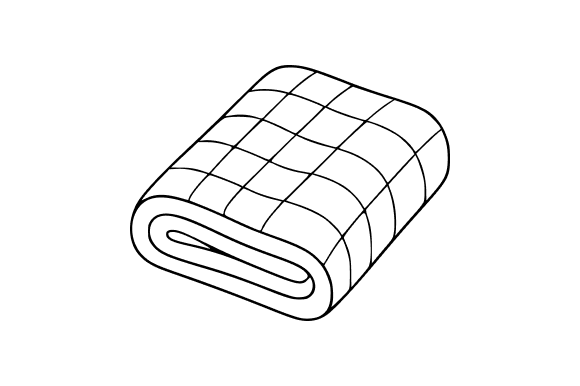
Checkered Blanket Clip Art Embroidery Review
When I first opened the Checkered Blanket Clip Art file, my initial reaction wasn't about stitch counts or file formats. It was about the mood. There is something undeniably cozy and nostalgic about a classic checkered pattern. As an experienced designer who has stitched thousands of designs for clients ranging from boutique owners to hobbyists, I immediately started visualizing how this illustration would translate from a flat digital image into a tactile, stitched reality. This isn't just another generic graphic; it feels like a design asset built for warmth, comfort, and rustic charm.
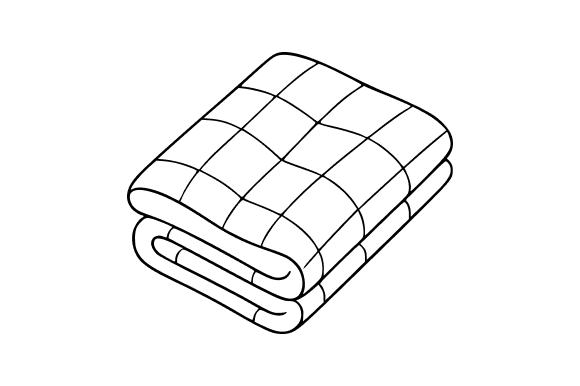
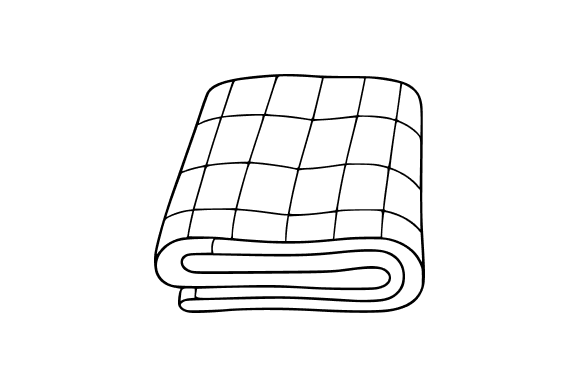
The core appeal of Checkered Blanket Clip Art lies in its simplicity and versatility. In the world of embroidery, less often means more, provided the lines are clean and the shapes are distinct. The layout suggests a soft, folded textile with a bold grid pattern. For an embroiderer, this translates to excellent potential for fill stitches and satin borders. However, before you rush to load this into your machine, let's walk through exactly how this design performs when moved from the screen to the hoop.
From Screen to Stitch: A Real-World Scenario
Let's imagine a practical scenario. You are preparing for the upcoming holiday season, and you have a client order for personalized aprons for a local bakery. They want something that screams "home-cooked" without being too cluttered. You decide to use Checkered Blanket Clip Art as the central motif on the chest area of a heavy cotton twill apron.
Visually, the contrast between the reds and whites (or whatever thread colors you choose) creates a striking focal point. When stitched, the checkered pattern offers a nice texture break compared to standard floral or monogram designs. It sits well on the fabric, looking intentional rather than accidental. The design feels at home on kitchen towels, nursery blankets, or even a baby onesie where a touch of retro style is desired. It bridges the gap between a simple graphic and a sophisticated handmade product.
I also envision this design on a sweatshirt for a craft fair booth. Placed over the heart or centered on the back, the Checkered Blanket Clip Art adds a layer of depth that makes the garment feel curated. It signals to the customer that this is a handmade product with thought put into the details. It elevates a basic piece of apparel into a statement item that fits perfectly within a brand focused on comfort and tradition.
Where This Design Shines in Embroidery Projects
This illustration is particularly effective for projects that require a sense of reliability and warmth. If you are an Etsy seller looking to expand your catalog, this design is a strong candidate for:
- Tote bag designs: The sturdy canvas material handles the density of the checkered pattern beautifully, making it perfect for grocery bags or market totes.
- Baby embroidery: Soft fabrics paired with a gentle, familiar pattern create a safe and comforting aesthetic for nursery decor or baby gifts.
- Holiday embroidery: The color palette naturally lends itself to autumn harvest themes or winter cozy vibes, making it ideal for seasonal merchandise.
- Commercial embroidery: For corporate gifts or team uniforms where a subtle nod to "team spirit" or "home base" is needed without using logos.
- Embroidered patches: With a clean border, this could be easily digitized into a sew-on patch for jackets or backpacks.
The design works exceptionally well as a digital embroidery file because the geometric nature of the checks allows for consistent stitching. Unlike complex portraits that might lose detail in smaller hoops, the repetitive nature of the checkered pattern ensures that even if the scale is reduced slightly, the identity of the design remains intact.
Critical Considerations for Fabric and Technique
While the concept is solid, every designer knows that the devil is in the details. Before committing to a full production run, you must consider the physical constraints of the embroidery project. Checkered Blanket Clip Art relies heavily on the distinction between the lines and the spaces. If you attempt to stitch this on a highly textured fabric like a chunky bouclé or a loose-weave linen, the threads might sink into the weave, blurring the crispness of the checks.
Stretchy fabrics present another challenge. If you try to place this design on a thin jersey t-shirt or a stretchy cap without proper stabilization, the tension of the stitches will cause the fabric to pucker. The grid pattern, being somewhat rigid in appearance, will exaggerate any distortion. To maintain the professional look of your finished product, always use a high-quality cut-away stabilizer for woven items and a tear-away or sticky-back stabilizer for knits.
Be cautious with small hoop sizes. While the design is versatile, cramming a detailed blanket pattern into a 4x4 inch hoop can result in tiny, muddy stitches. The individual squares might become so small that they merge visually, losing the "checkered" effect entirely. Similarly, on dark fabrics, you need to ensure your thread selection provides enough contrast. A light gray thread on a navy blue background might not pop enough to define the grid clearly.
Design Judgment and Visual Appeal
In terms of visual appeal, Checkered Blanket Clip Art brings a sense of authenticity. Customers today are savvy; they can tell the difference between a mass-produced print and a genuine embroidered piece. When they see the slight texture of the satin stitch or the raised dimension of the fill stitch on this design, it reinforces trust in your brand. It says, "This was made by hand."
The design also supports brand consistency. If you are building a shop around rustic, farmhouse, or cottagecore aesthetics, this graphic fits seamlessly alongside other elements like mason jars, wooden spoons, or vintage typography. It helps create a cohesive narrative for your small shop product line.
However, avoid placing this on curved surfaces like baseball caps unless you have advanced digitizing skills. The straight lines of the checkered pattern can look distorted when wrapped around a curve, potentially ruining the illusion of a flat blanket. For such applications, a flatter, more abstract version might be preferable.
Practical Designer Notes for Success
Before you start stitching, here are some essential steps to ensure your embroidery file delivers the best results:
- Test on scrap fabric: Always run a test stitch on a piece of the same material you plan to use for the final product. This reveals issues with puckering, thread breaks, or density problems.
- Review stitch density: Check if the fill areas are too dense. Overly tight stitches can make the fabric stiff and uncomfortable, especially on clothing meant to be worn against the skin.
- Inspect small details: Zoom in on the corners of the design. Ensure that the running stitches or satin borders are clean and that there are no stray jumps that could snag.
- Compare backgrounds: Mock up the design on both light and dark fabric versions to confirm that the thread colors chosen provide the necessary contrast.
- Confirm licensing: If you intend to sell finished items featuring this design, double-check the license terms associated with the Illustrations or Graphics package. Some files are for personal use only, while others allow commercial application.
- Use proper stabilizer: Don't skimp on the backing. The right stabilizer is the unsung hero of a professional-looking custom apparel project.
Ultimately, Checkered Blanket Clip Art is a versatile tool in your creative arsenal. It offers a blend of nostalgia and modern utility that resonates with a wide audience. Whether you are creating a personalized gift for a friend or stocking shelves for your craft business, this design has the potential to be a standout piece. Just remember that the magic happens in the execution—pay attention to your setup, respect the fabric, and let the quality of your stitching speak for itself.